Being in the world, Marilou Bal, Ryu Ika, Emilie Pitoiset, Jiajia Zhang, 7.10.2026-14.11.2026, exo exo, Paris République
Marilou Bal, Girl in Pajamas, 2024
Oil on canvas, 70 x 50 cm inquire
Marilou Bal, Everything Everywhere, 2025
Oil on canvas, 60 x 60 cm inquire
Marilou Bal, Girl on Carpet, 2021
Oil on canvas, 50 x 60 cm inquire
Marilou Bal, You made your bed now lie in it, 2026
Oil on canvas, 110 x 110 cm inquire
Marilou Bal, Whorl, 2024
Oil on canvas, 40 x 40 cm inquire
Ryu Ika, Akiko and Haruka (From the series of Myāku Tunagi, Suma Tunagi), 2024
Lambda print on satiné paper, framed, 31 x 21 cm inquire
Ryu Ika, Untitled (from the series of MOM LAND_Chongqing), 2023
Lambda print on satiné paper, framed, 31 x 21 cm inquire
Ryu Ika, Untitled (from the series of MOM LAND_Chongqing), 2023
Lambda print on satiné paper, framed, 21 x 31 cm inquire
Ryu Ika, Ayahiro, Kazu, Naoki, and Pearl, 2024
Lambda print on satiné paper, framed, 21 x 31 cm inquire
Emilie Pitoiset, So Much Tenderness, 2026
Color video, stereo sound, 9’17’’ inquire
Emilie Pitoiset, Inemuri (present while sleeping) 07, 2023
Inkjet print on fine art archival paper, framed, 142 x 107 cm inquire
Emilie Pitoiset, Sugar High, 2026
polythene fabric, mattresses, dimensions variable inquire
JiaJia Zhang, How To Spend It (Attention, Collapse, Affection, Control, Absence, Circulation, Anxiety, Consumption, Afterglow), 2025
Photo transfer on canvas, label, magazine cutout, photo print, 40 x 50 cm inquire
JiaJia Zhang, How To Spend It (Attention, Collapse, Affection, Control, Absence, Circulation, Anxiety, Consumption, Afterglow), 2025
Photo transfer on canvas, decoupage paper, 40 x 50 cm inquire
JiaJia Zhang, How To Spend It (Attention, Collapse, Affection, Control, Absence, Circulation, Anxiety, Consumption, Afterglow), 2025
Photo transfer on canvas, newspaper clipping, magazine cutout, 40 x 50 cm inquire
JiaJia Zhang, Beautiful Mistakes (after LB), 2022
HD video, color, sound, 8’58’’ inquire
JiaJia Zhang, Have we peaked yet?, 2025
Clown costume, clothes bag, dimensions variable inquire *English below*
FR.
Chaque jour, nous composons avec les différents personnages qui nous constituent : le moi intime, le moi physique, le moi en ligne, le moi social. Le réel déroule ainsi sa ligne sur laquelle nous chorégraphions nos déguisements successifs. Nous les revêtons les uns après les autres ou les uns sur les autres, non pas pour jouer ou mentir, mais simplement pour être identifié·es, reconnu·es, compris·es.
Being in the World réunit quatre pratiques attentives à nos manières d'être : dans l'espace physique et numérique, dans l'intimité de nos chambres comme dans l'espace public, dans le rapport à soi et aux autres, dans nos apprentissages et dans nos communications. À travers l’image, son pouvoir évocateur et symbolique, chacune des artistes s’intéresse à la dimension performative de l'identité : qui parle quand nous parlons, qui est réellement là dans ce que nous voyons ?
Puisant dans les codes et l’organisation des communautés, les contes populaires, les réseaux sociaux et la culture mainstream, Marilou Bal, Ryu Ika, Emilie Pitoiset et Jiajia Zhang interrogent les langages que nous empruntons et les sous-cultures que nous habitons. Elles évoquent les archétypes du clown, les représentations communes du cute et la figure de la mascotte, fantasment les reality show, reprennent l'esthétique lo-fi des années Skyblog et Tumblr, ou choisissent pour décor la poésie désabusée des malls comme lieu commun, référence et rendez-vous.
Toute cette matière constitue moins un répertoire d’images qu’une langue partagée, une trame sensible à travers laquelle s’élaborent nos désirs d’appartenance. Si être au monde implique de négocier avec des formes préexistantes, il s’agit alors de les réinvestir de l’intérieur pour en extraire le commun, ce qui fait transmission et lien. Les œuvres réunies ici relèvent de cet équilibre précaire, entre exposition et retrait, spectacle et intimité, divertissement et soin, réaffirmant l'identité comme une pratique sociale sans cesse rejouée.
– Elisa Rigoulet
Marilou Bal, née en 1990, vit et travaille à Genève.
À travers la peinture, Marilou Bal puise dans les imaginaires de l’adolescence et la culture visuelle des années 2000 pour explorer
la manière dont les images façonnent l’identité. À partir d’images trouvées sur Internet, elle compose des scènes où les souvenirs
personnels rencontrent une mémoire générationnelle collective. Ses œuvres interrogent les constructions de la féminité, du désir et
de l’image de soi, à travers des récits marqués par les codes visuels et affectifs de l’ère numérique.
Ryu Ika, née en 1993, vit et travaille entre Paris et Tokyo.
L’observation des comportements humains est au cœur du travail d’Ika Ryu. Utilisant la photographie comme point de départ, elle
s’attache à ce qui se joue dans les interactions les plus ordinaires et aux formes de représentation qui traversent la vie sociale. Son
parcours entre différentes cultures et son intérêt pour les récits issus de sa région natale nourrissent une réflexion sur les formes
d’appartenance qui façonnent les expériences individuelles et collectives. Ses images développent une esthétique brute, traversée de
poésie et d’inconfort, où le quotidien devient le révélateur des ambiguïtés de la condition humaine.
Emilie Pitoiset, née en 1980, vit et travaille à Paris.
Artiste et chorégraphe, Émilie Pitoiset développe une pratique mêlant sculpture, performance, vidéo installation. Son travail porte
une attention particulière aux états de suspension, aux formes d’épuisement et aux équilibres précaires qui traversent les corps et
les structures sociales. Nourries par une pensée chorégraphique, ses œuvres donnent forme à des situations où les gestes semblent
persister au-delà de l’action elle-même, révélant les fictions qui organisent nos vies collectives. Les zones d’incertitude qu’elle met en
scène ouvrent des espaces sensibles où peuvent s’inventer d’autres temporalités et façons d’habiter le monde.
Jiajia Zhang, née en 1981, vit et travaille à Zurich.
À la croisée des espaces physiques et numériques, Jiajia Zhang s’intéresse aux transformations de l’intime et du collectif produites par
les technologies contemporaines. À travers la vidéo, la sculpture et l’installation, elle observe la manière dont les dispositifs urbains et
les médias façonnent nos comportements et nos relations. Ses recherches explorent les formes contemporaines d’intimité, désormais
prises dans des espaces de représentation et de circulation permanentes. Les images y apparaissent comme des lieux de négociation
où se redéfinissent en permanence les frontières entre expérience personnelle et espace public.
EN.
Each day, we navigate the different characters that make us who we are: the intimate self, the physical self, the online self, the social self. Reality unfolds as a continuous line along which we choreograph our successive disguises. We put them on one after another, or layer them on top of each other, not in order to perform or deceive, but simply to be identified, recognized, understood.
Being in the World brings together four artistic practices attentive to the ways we inhabit ourselves: within physical and digital space, in the intimacy of our bedrooms as much as in the public sphere, in relation to ourselves and to others, through our learning processes and our forms of communication. Through the image, and its evocative and symbolic power, each artist explores the performative dimension of identity: who speaks when we speak, and who is actually present in what we see?
Drawing on the codes and structures of communities, folk tales, social media, and mainstream culture, Marilou Bal, Ryu Ika, Emilie Pitoiset, and Jiajia Zhang examine the languages we borrow and the subcultures we inhabit. They invoke the archetype of the clown, common representations of cuteness and the mascot figure; they fantasize reality television, revisit the lo-fi aesthetics of the Skyblog and Tumblr years, or choose as their setting the disenchanted poetry of the mall as a shared space, reference point, and meeting place.
Taken together, this material constitutes less a repertoire of images than a shared language: a sensitive framework through which our desires for belonging take shape. If being in the world entails negotiating with pre-existing forms, then the challenge becomes to inhabit them from within, drawing out what is held in common, what enables transmission and connection. The works gathered here operate within this precarious balance, between exposure and withdrawal, spectacle and intimacy, entertainment and care, reaffirming identity as a social practice that is continuously rehearsed and renegotiated.
– Elise Rigoulet
Marilou Bal, born 1990, lives and works in Geneva.
Through painting, Marilou Bal draws on adolescent imaginaries and the visual culture of the 2000s to explore the ways images shape
identity. Working from images found online, she creates scenes in which personal memories intersect with a collective generational
memory. Her works examine constructions of femininity, desire, and self-image through narratives informed by the visual and
emotional codes of the digital age.
Ryu Ika, born 1993, lives and works between Paris and Tokyo.
The observation of human behaviour lies at the core of Ika Ryu’s practice. Using photography as a point of departure, she focuses on
the dynamics at play within the most ordinary interactions and the modes of representation that permeate social life. Her experience
across different cultures, together with her interest in narratives rooted in her native region, informs an exploration of the forms
of belonging that shape both individual and collective experiences. Her images develop a raw aesthetic infused with poetry and
discomfort, where everyday life becomes a lens through which the ambiguities of the human condition are revealed.
Emilie Pitoiset, born 1980, lives and works in Paris.
Artist and choreographer, Émilie Pitoiset develops a practice that combines sculpture, performance, and video installation. Her work
pays particular attention to states of suspension, forms of exhaustion, and the precarious balances that run through both bodies and
social structures. Informed by choreographic thinking, her works give shape to situations in which gestures seem to persist beyond
the action itself, revealing the fictions that organize our collective lives. The zones of uncertainty she stages open up sensitive spaces
where other temporalities and ways of inhabiting the world can emerge.
Jiajia Zhang, born 1981, lives and works in Zurich.
Working at the intersection of physical and digital spaces, Jiajia Zhang explores the transformations of intimacy and collectivity
brought about by contemporary technologies. Through video, sculpture, and installation, she examines how urban infrastructures and
media environments shape our behaviors and relationships. Her research investigates contemporary forms of intimacy, increasingly
embedded within spaces of constant representation and circulation. Within her work, images emerge as sites of negotiation where
the boundaries between personal experience and the public sphere are continuously redefined.
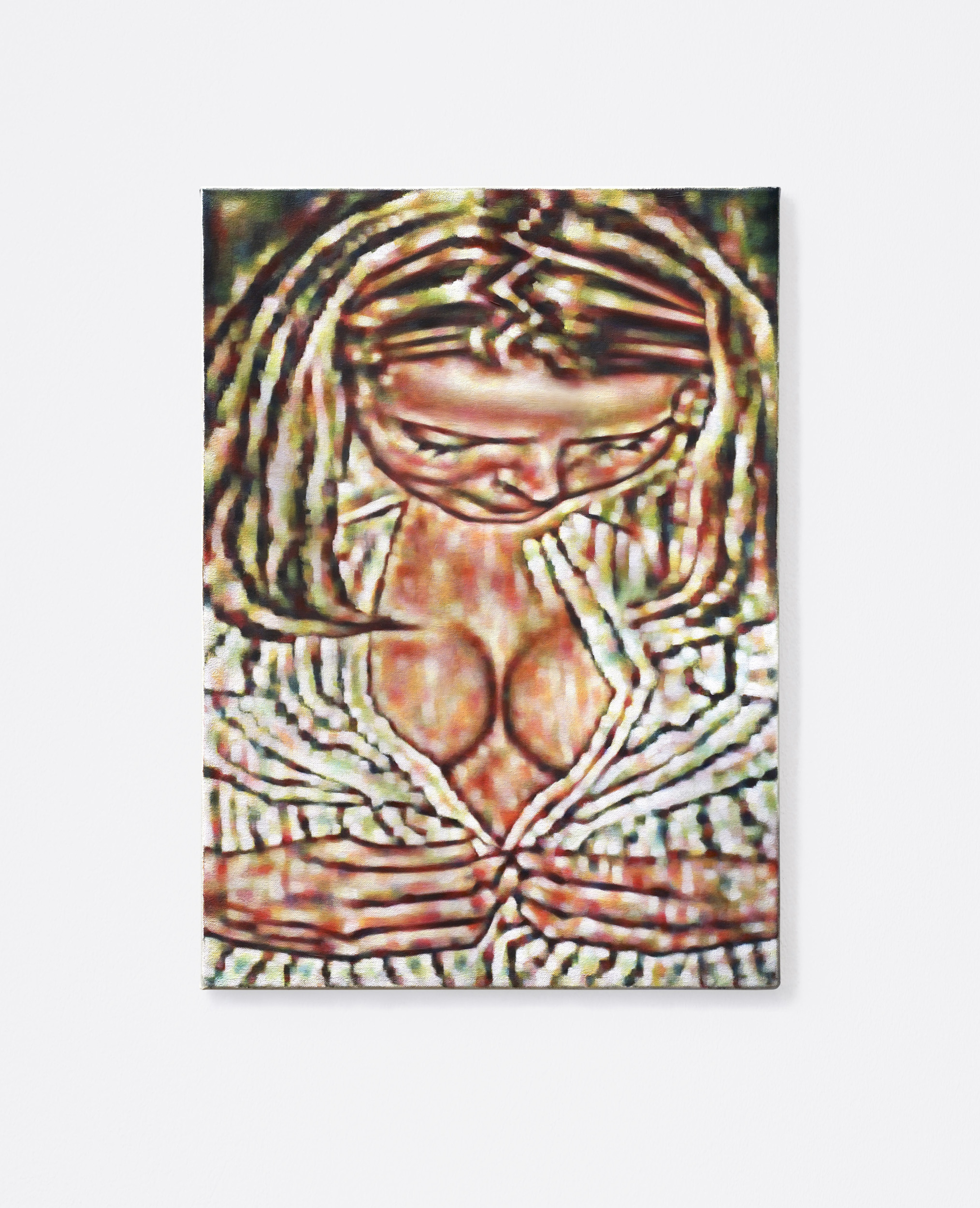 Marilou Bal, Girl in Pajamas, 2024
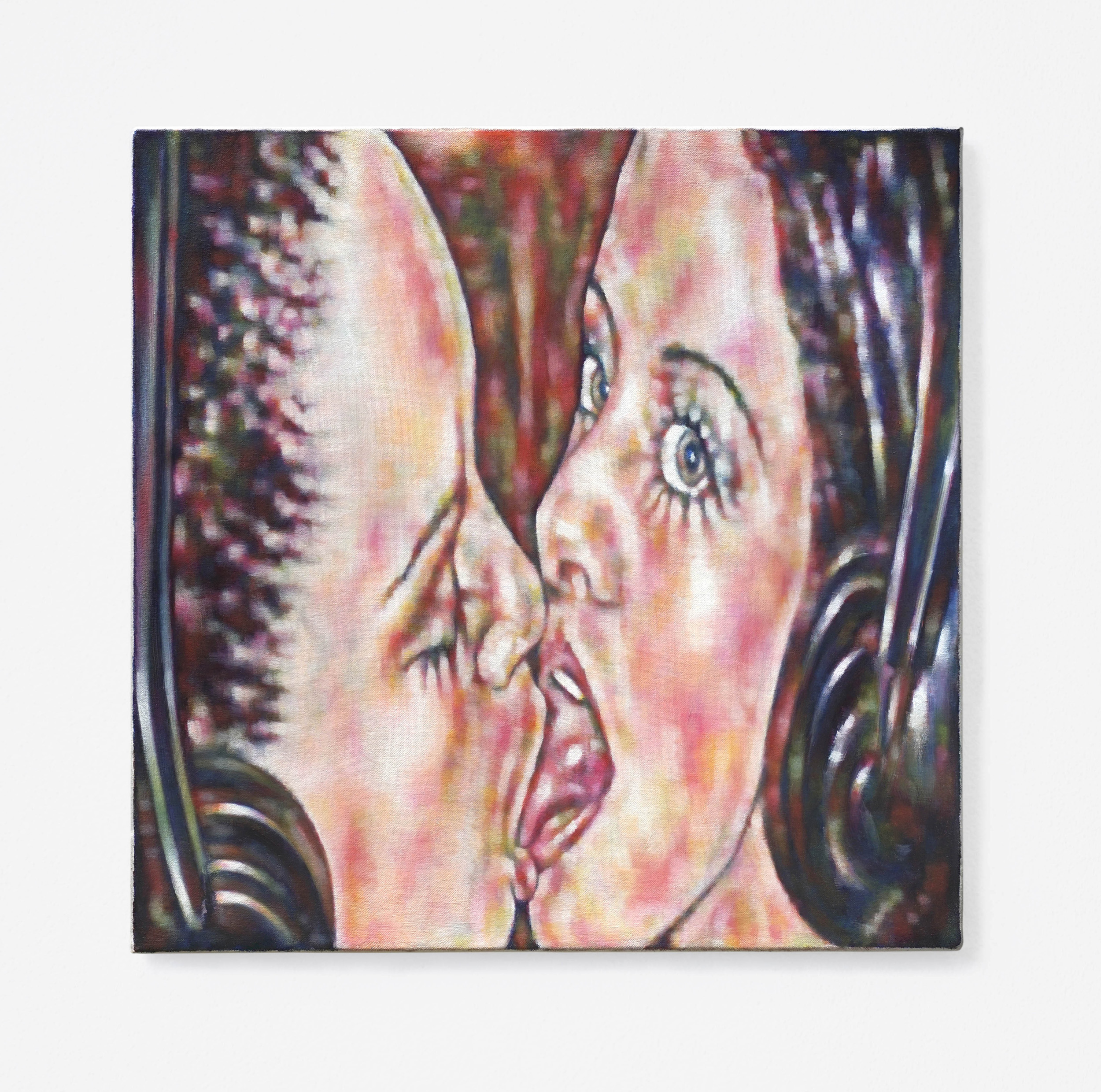 Marilou Bal, Everything Everywhere, 2025
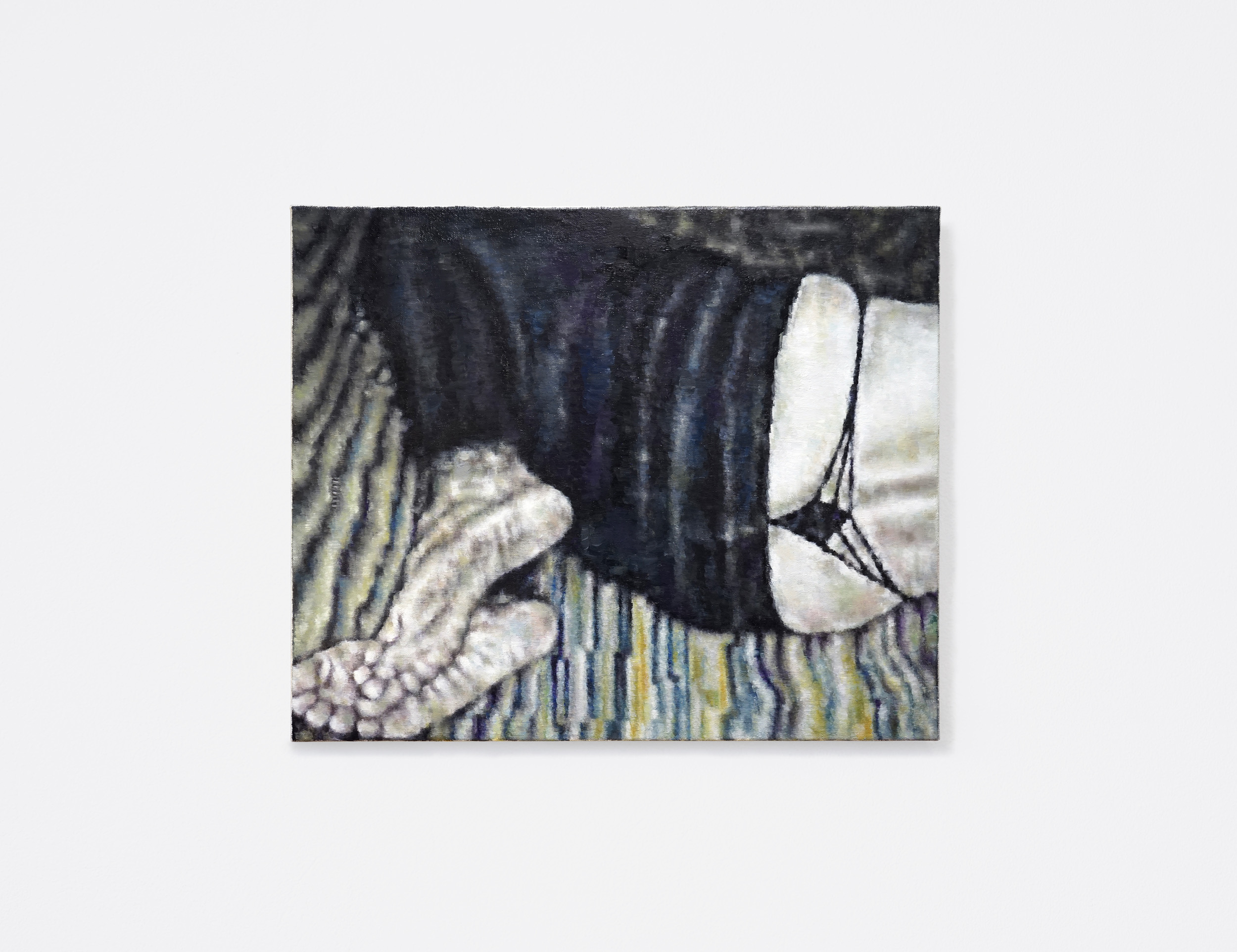 Marilou Bal, Girl on Carpet, 2021
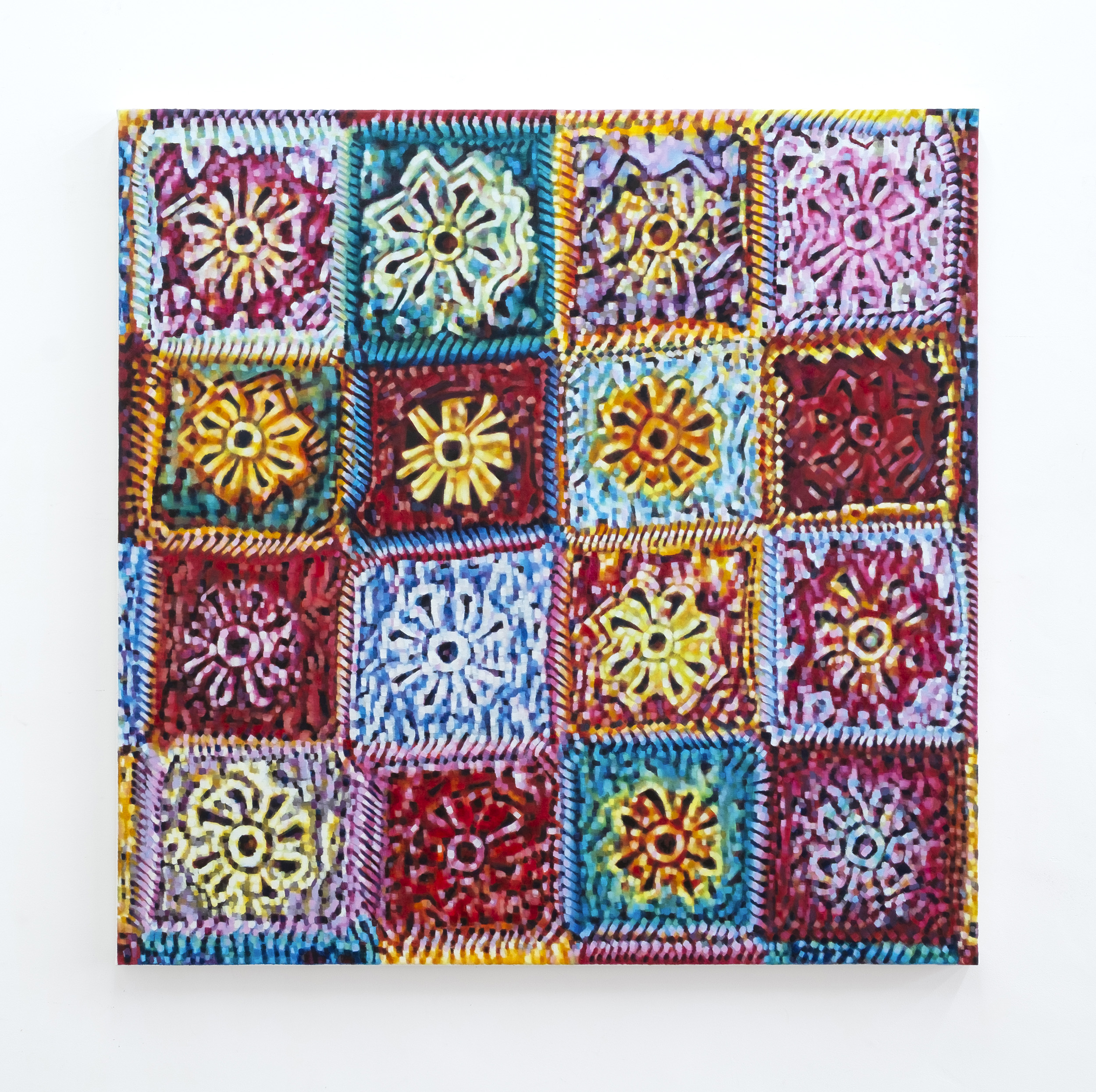 Marilou Bal, You made your bed now lie in it, 2026
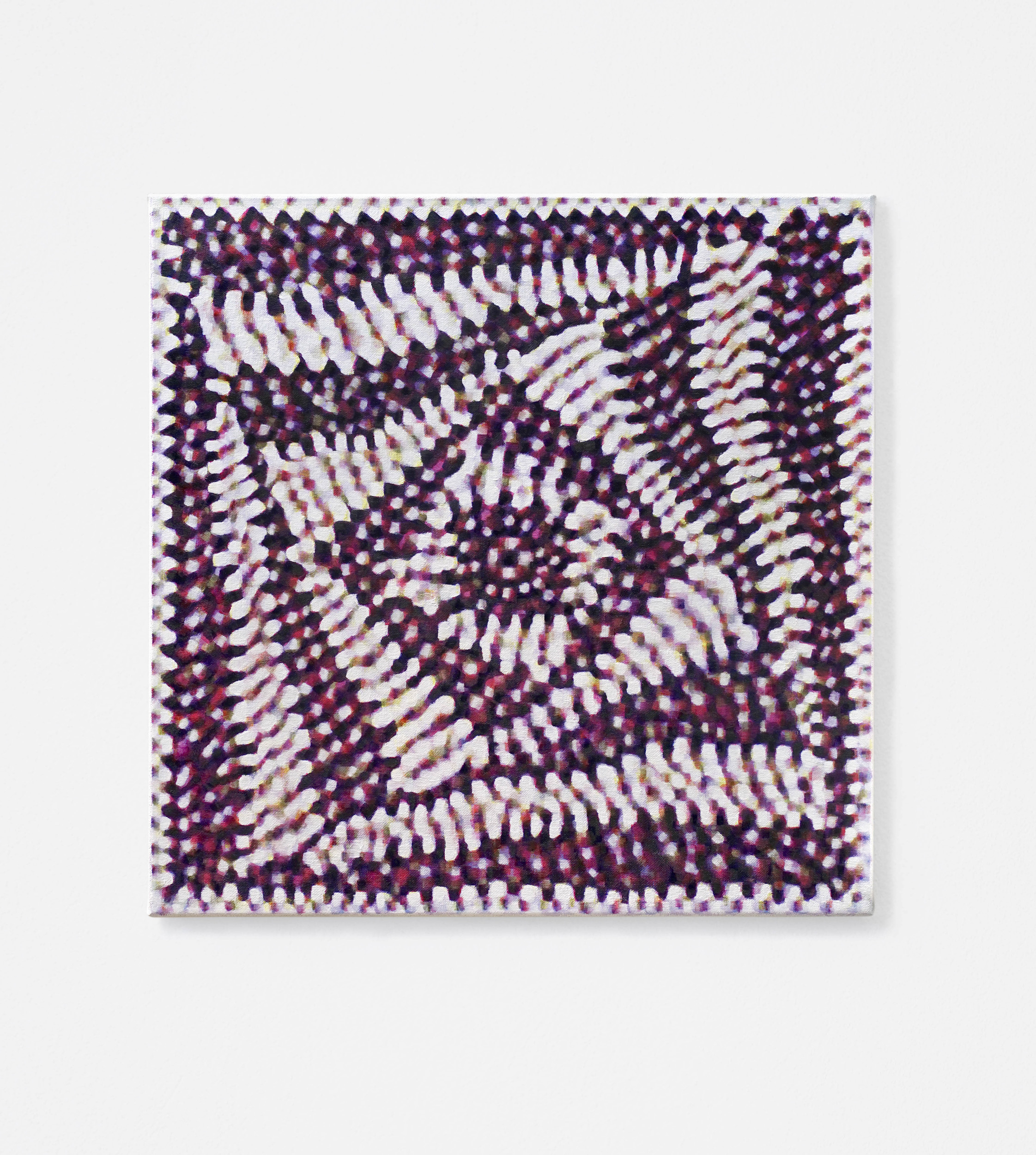 Marilou Bal, Whorl, 2024
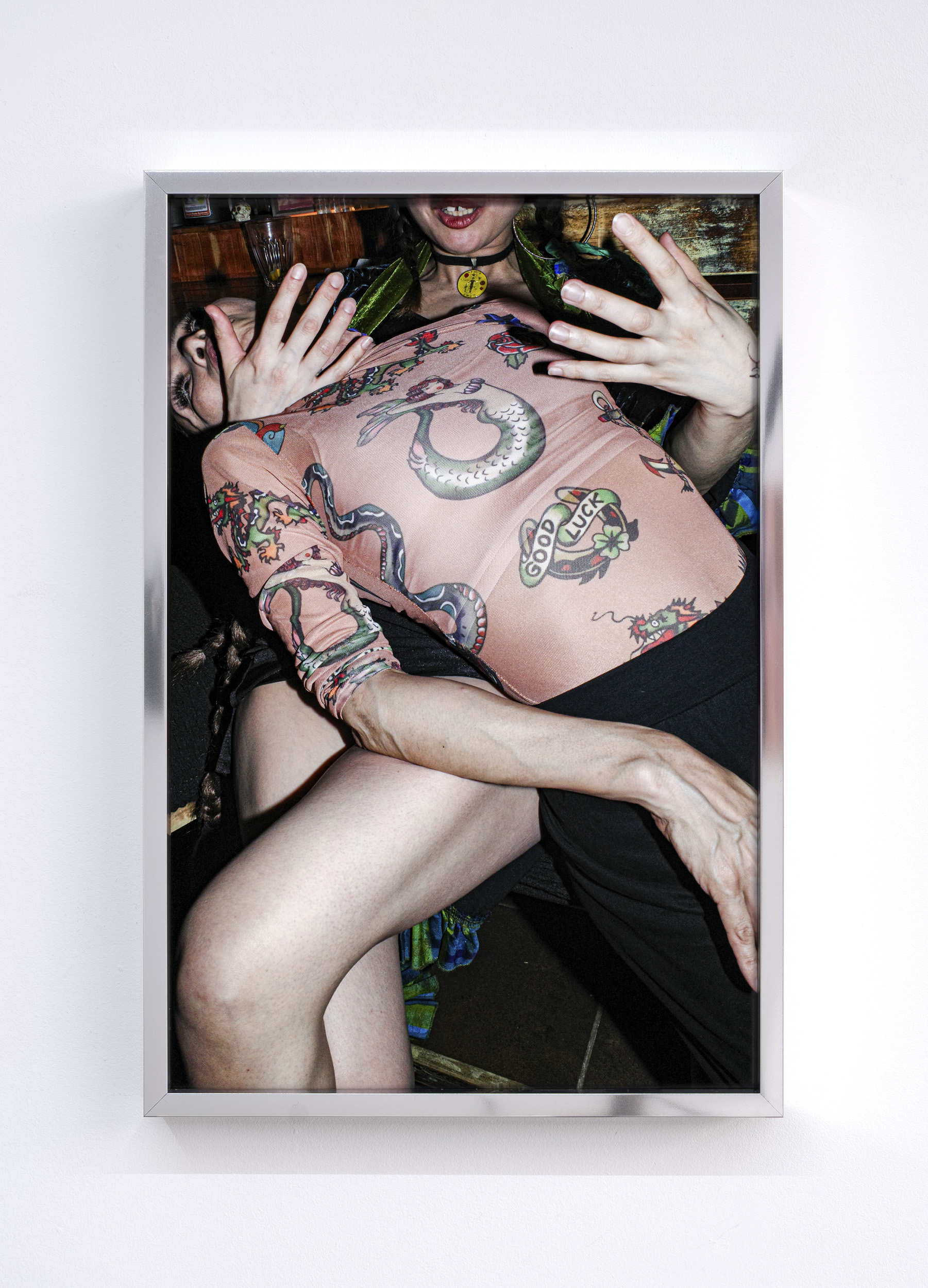 Ryu Ika, Akiko and Haruka (From the series of Myāku Tunagi, Suma Tunagi), 2024
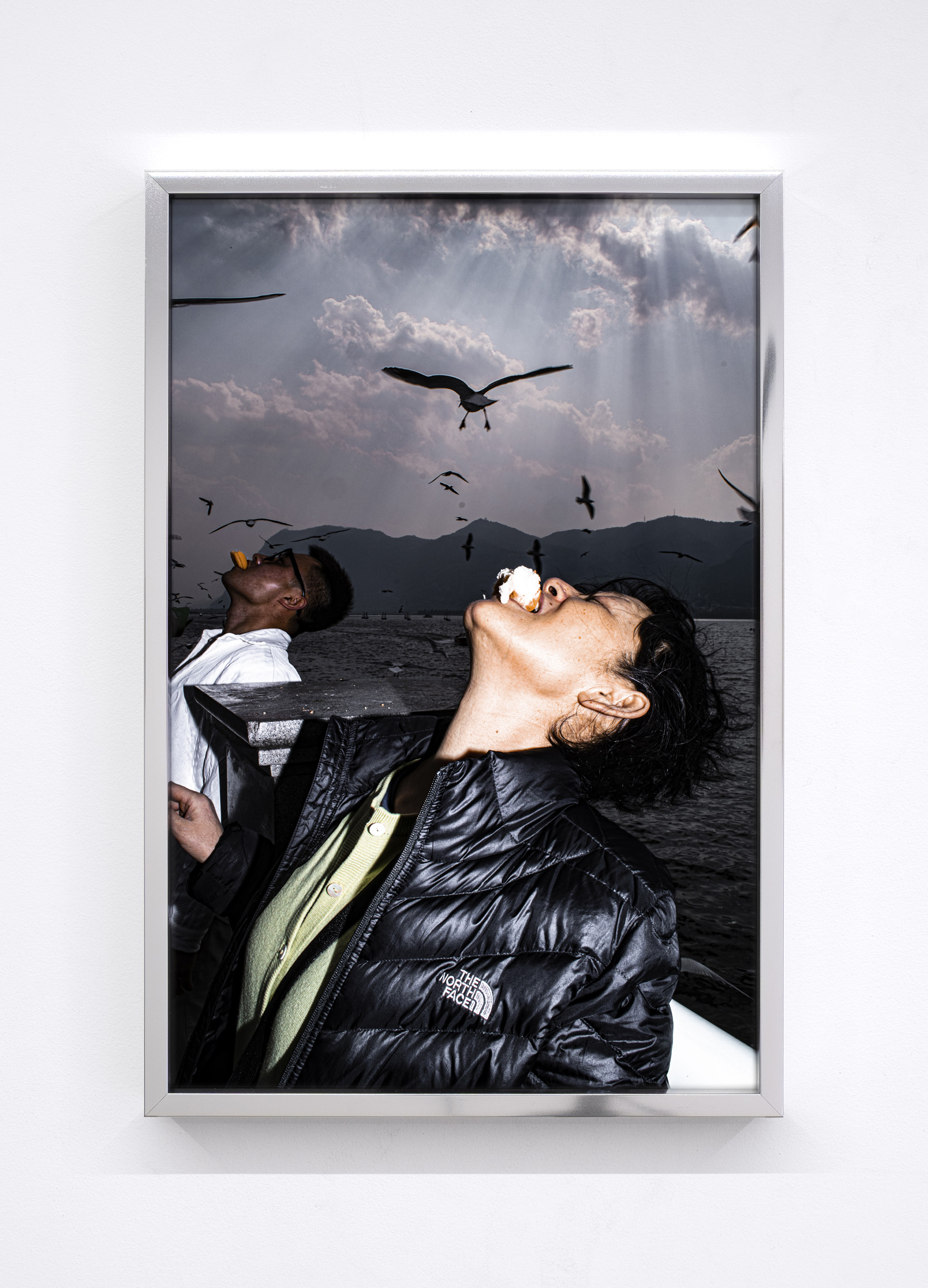 Ryu Ika, Untitled (from the series of MOM LAND_Chongqing), 2023
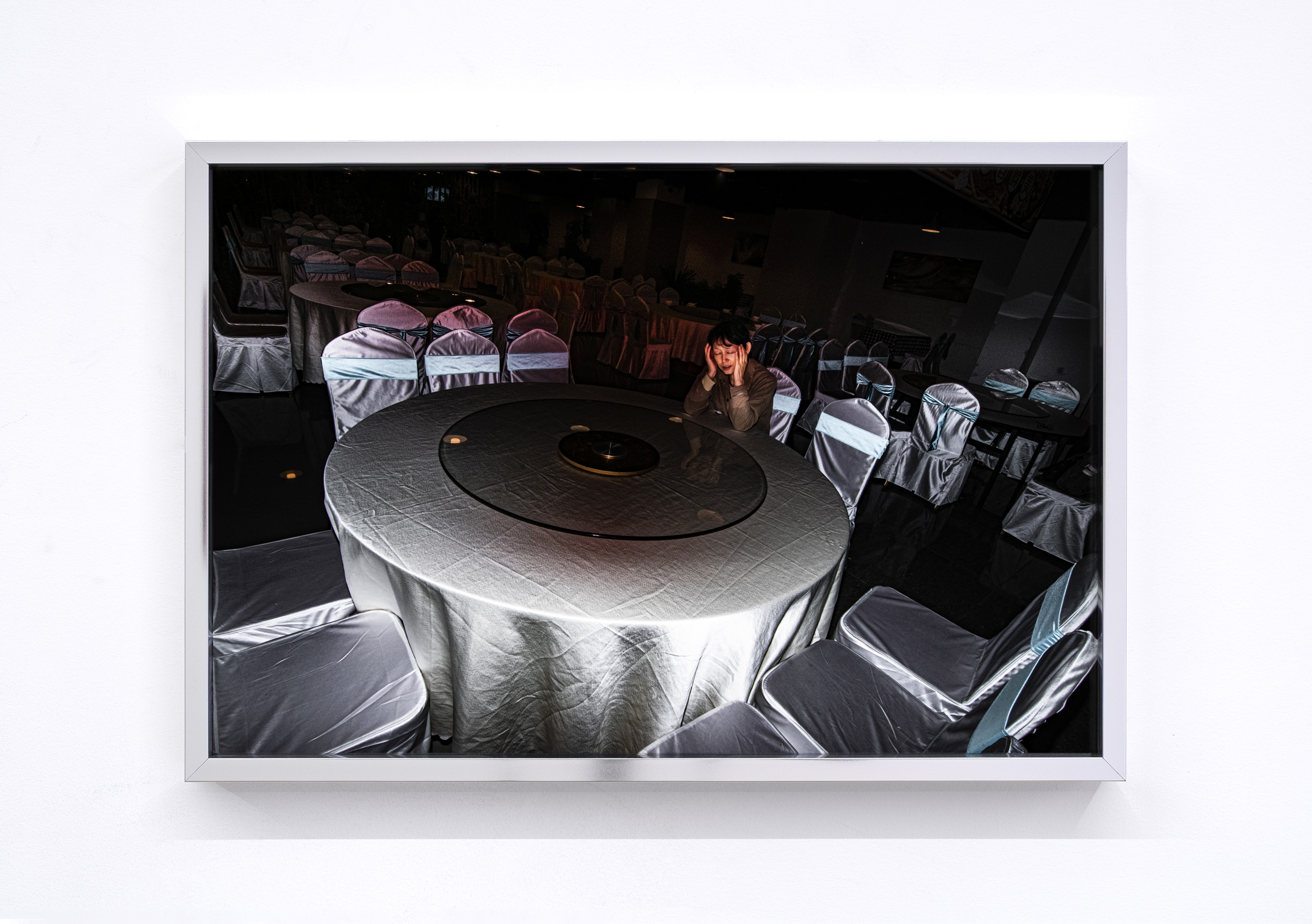 Ryu Ika, Untitled (from the series of MOM LAND_Chongqing), 2023
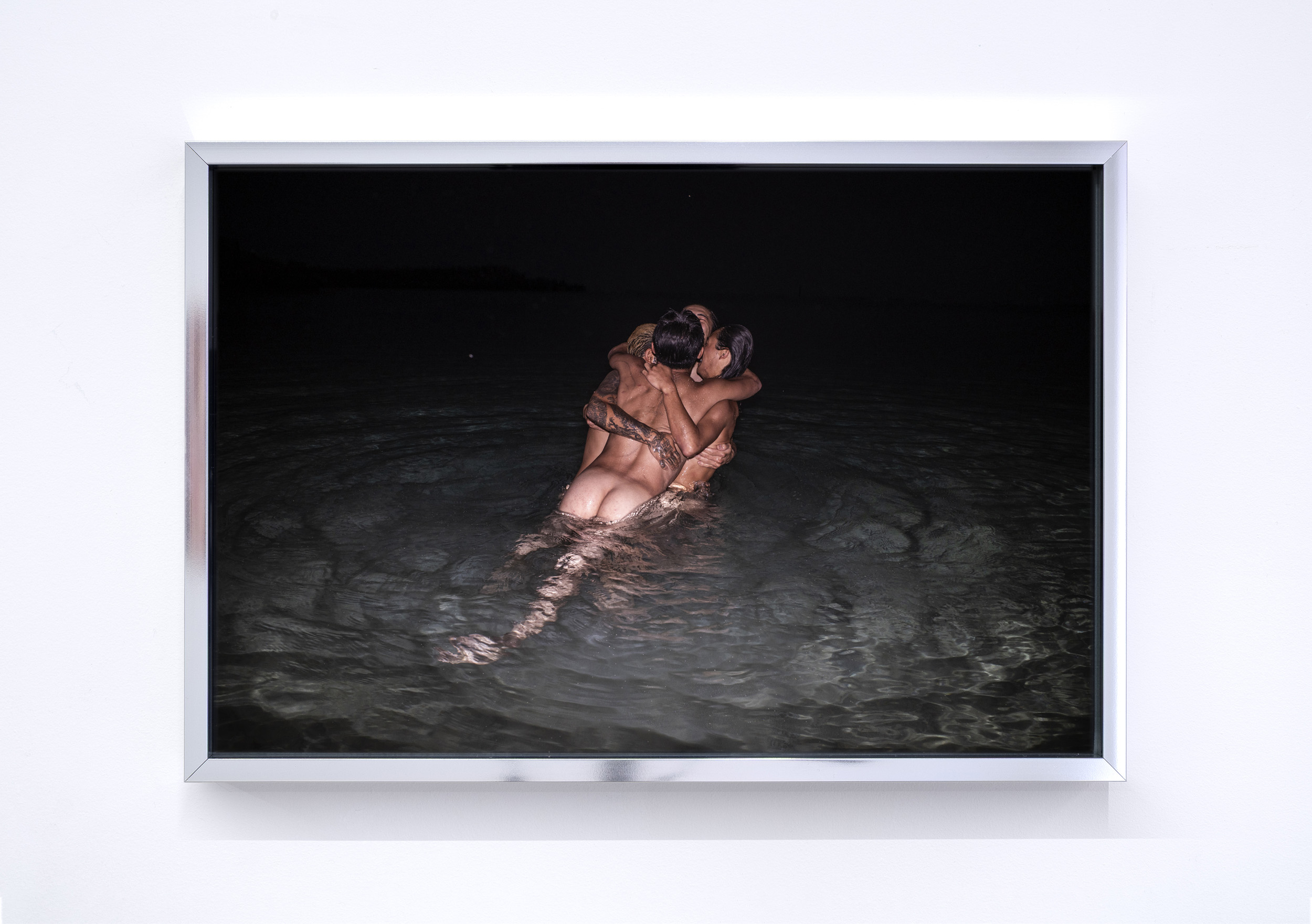 Ryu Ika, Ayahiro, Kazu, Naoki, and Pearl, 2024
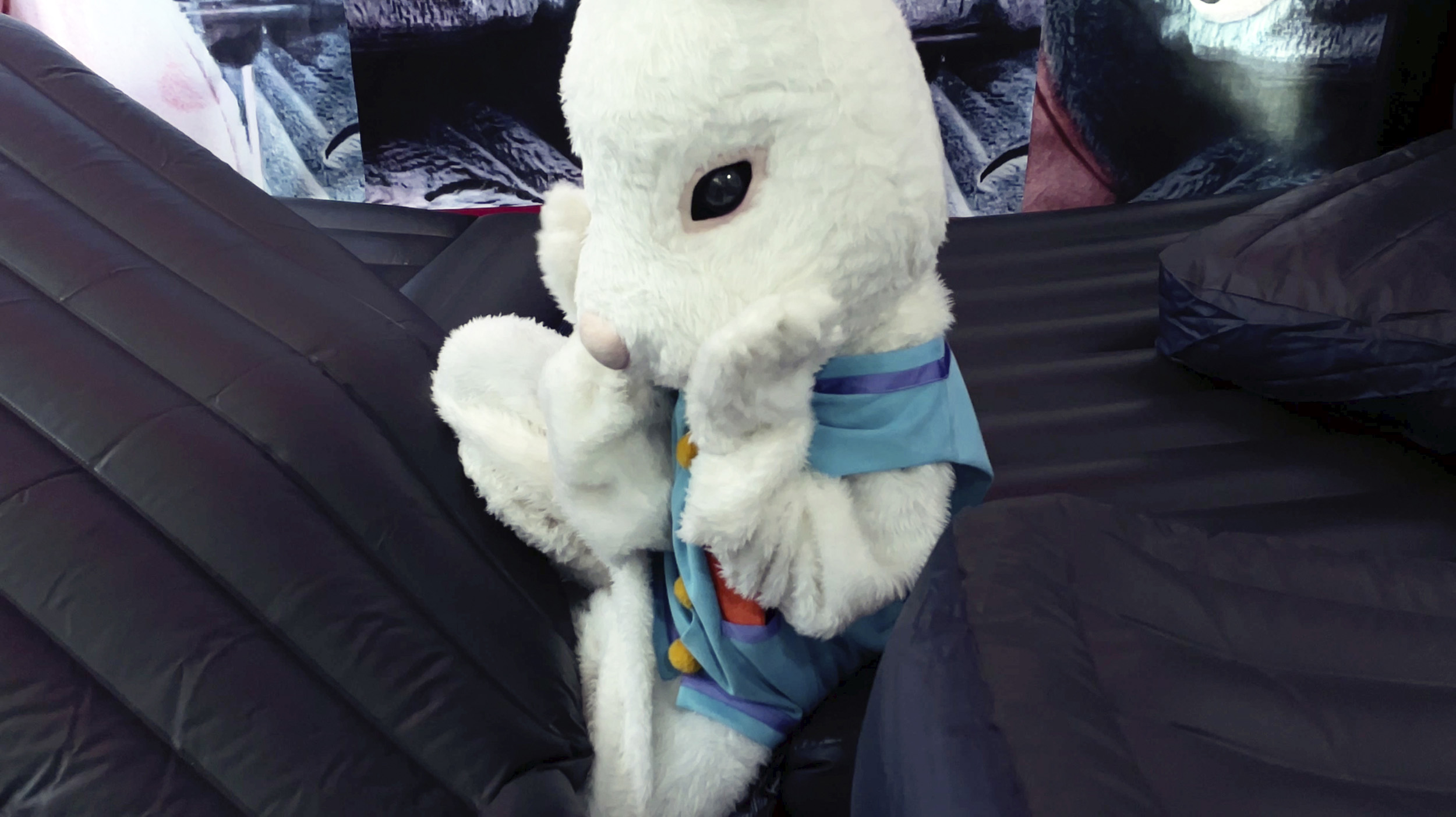 Emilie Pitoiset, So Much Tenderness, 2026
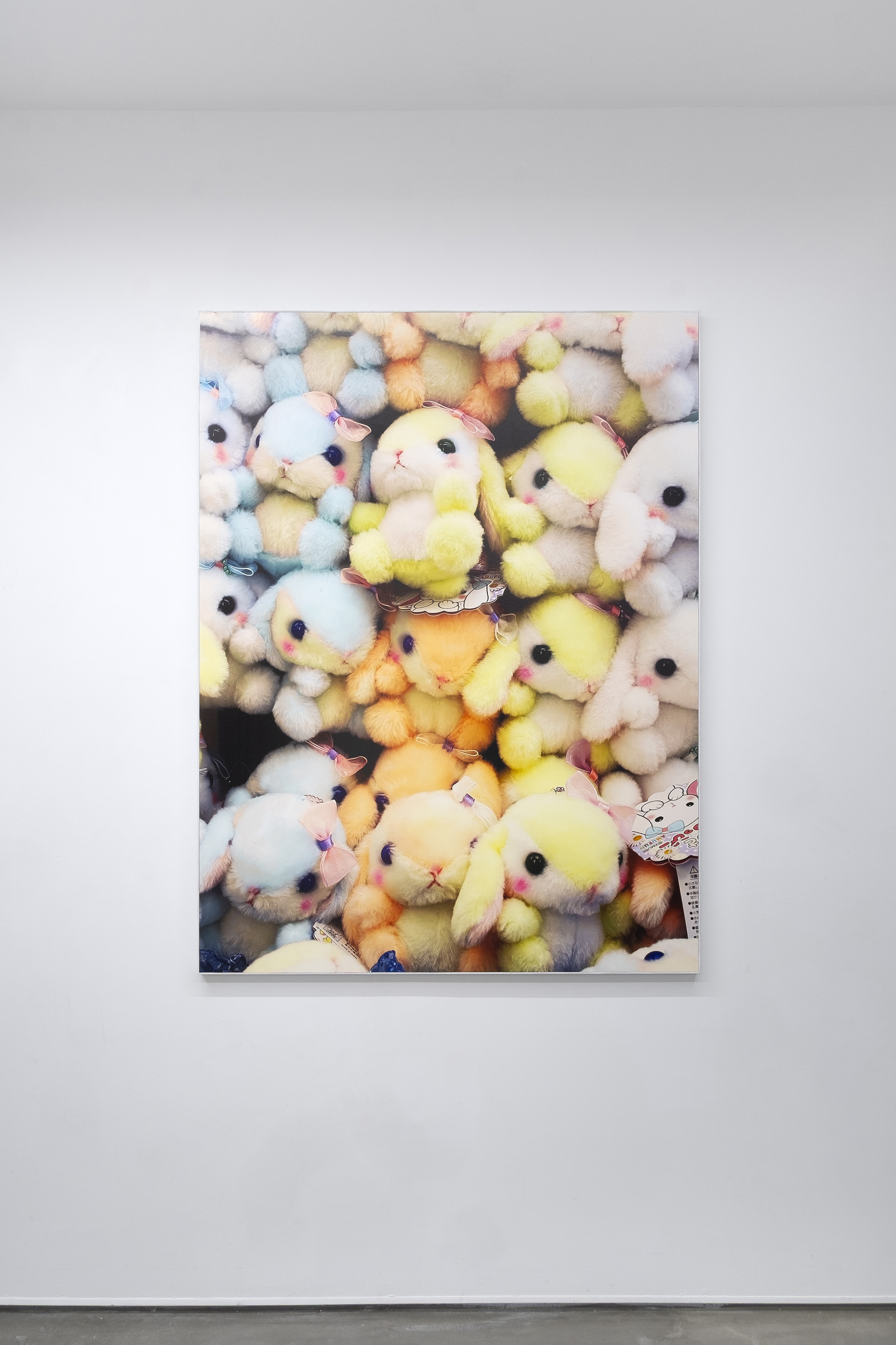 Emilie Pitoiset, Inemuri (present while sleeping) 07, 2023
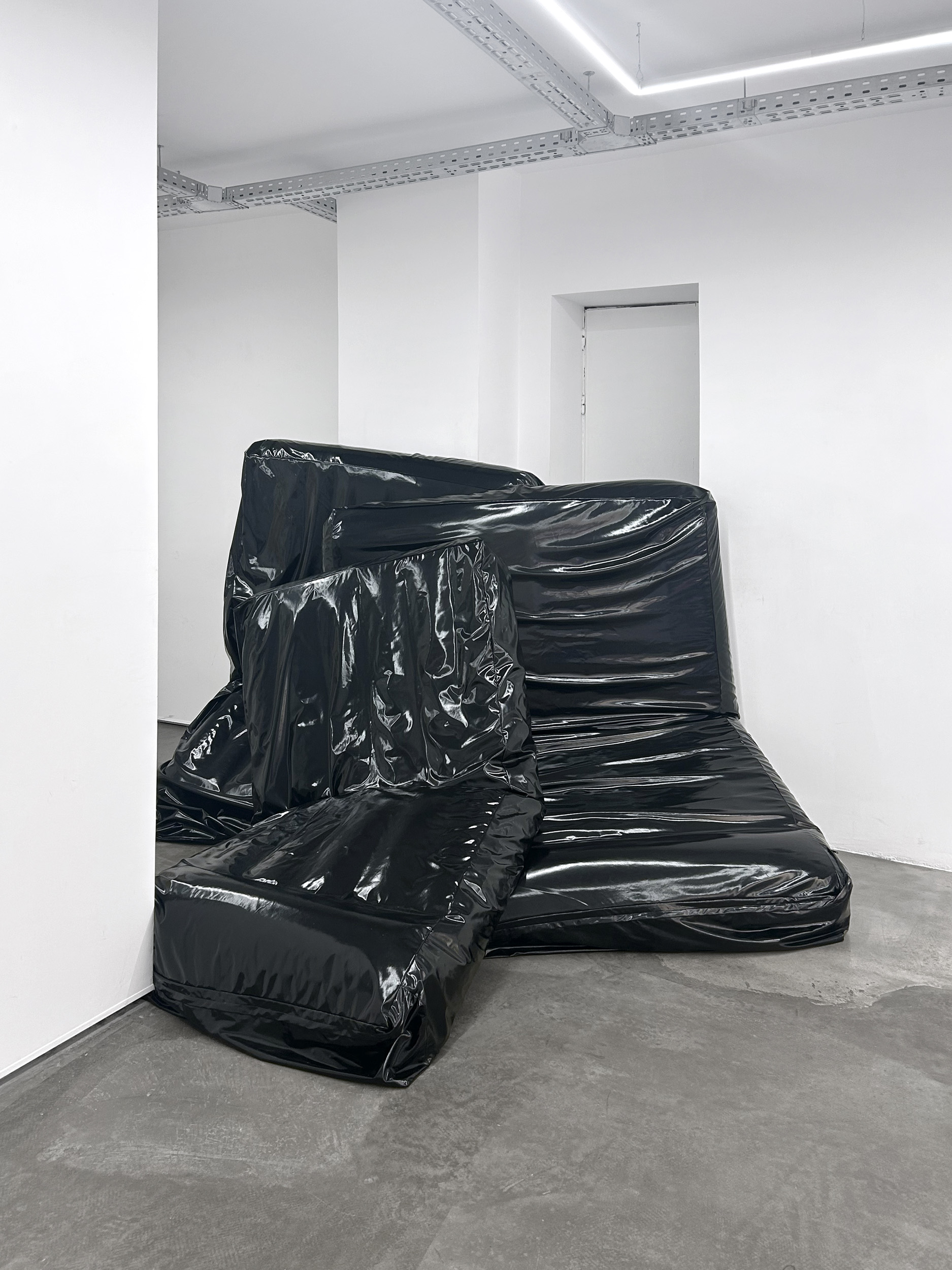 Emilie Pitoiset, Sugar High, 2026
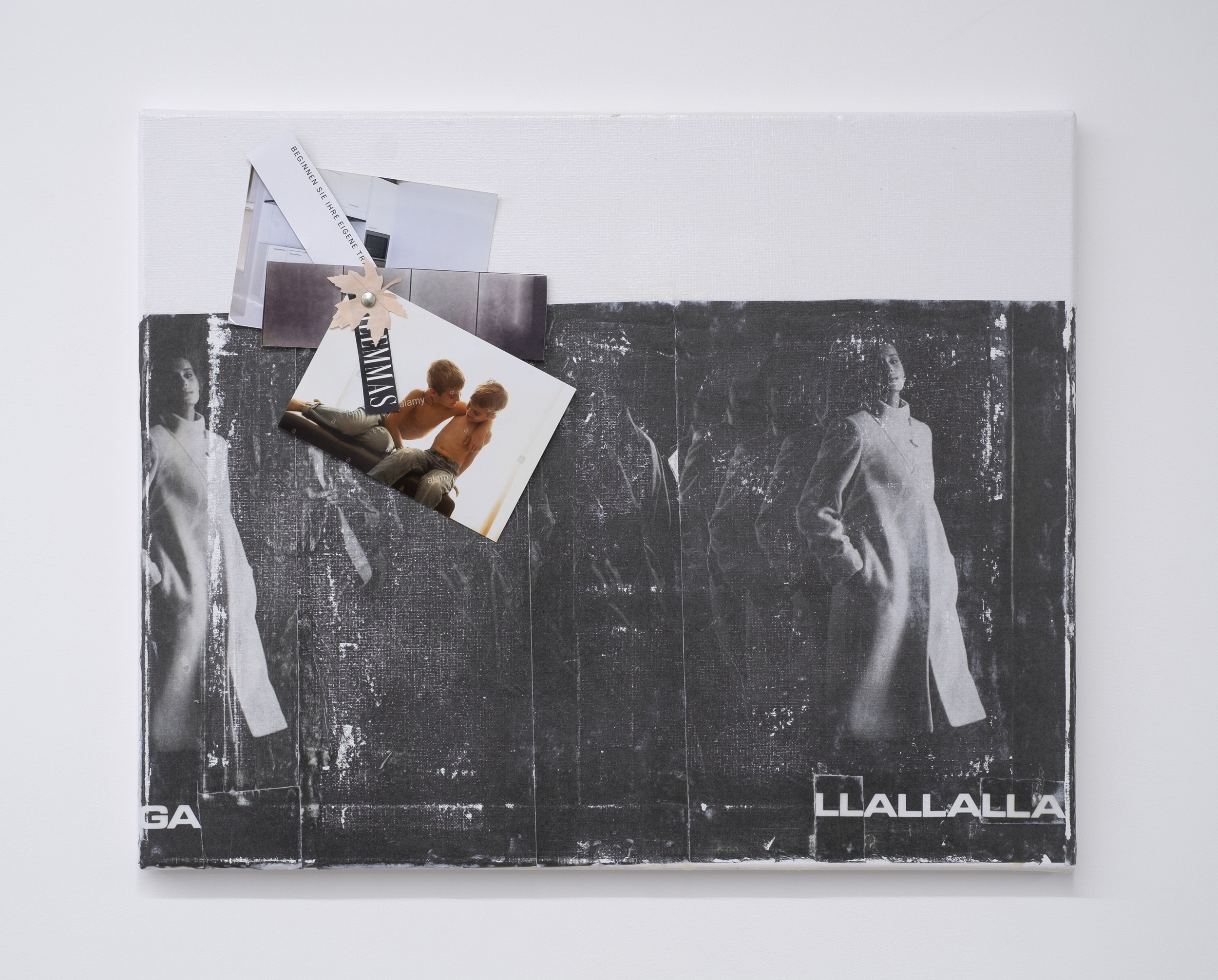 JiaJia Zhang, How To Spend It (Attention, Collapse, Affection, Control, Absence, Circulation, Anxiety, Consumption, Afterglow), 2025
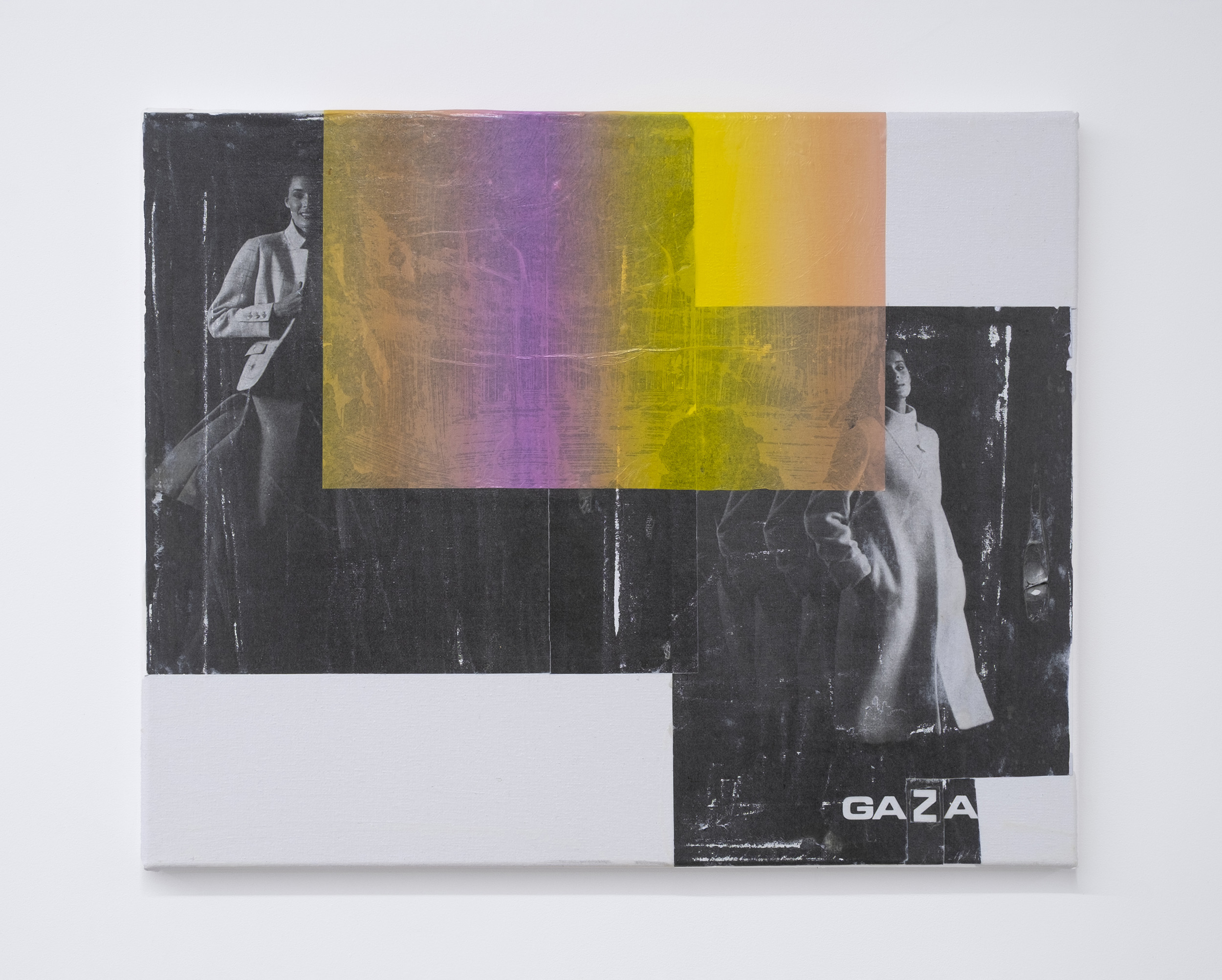 JiaJia Zhang, How To Spend It (Attention, Collapse, Affection, Control, Absence, Circulation, Anxiety, Consumption, Afterglow), 2025
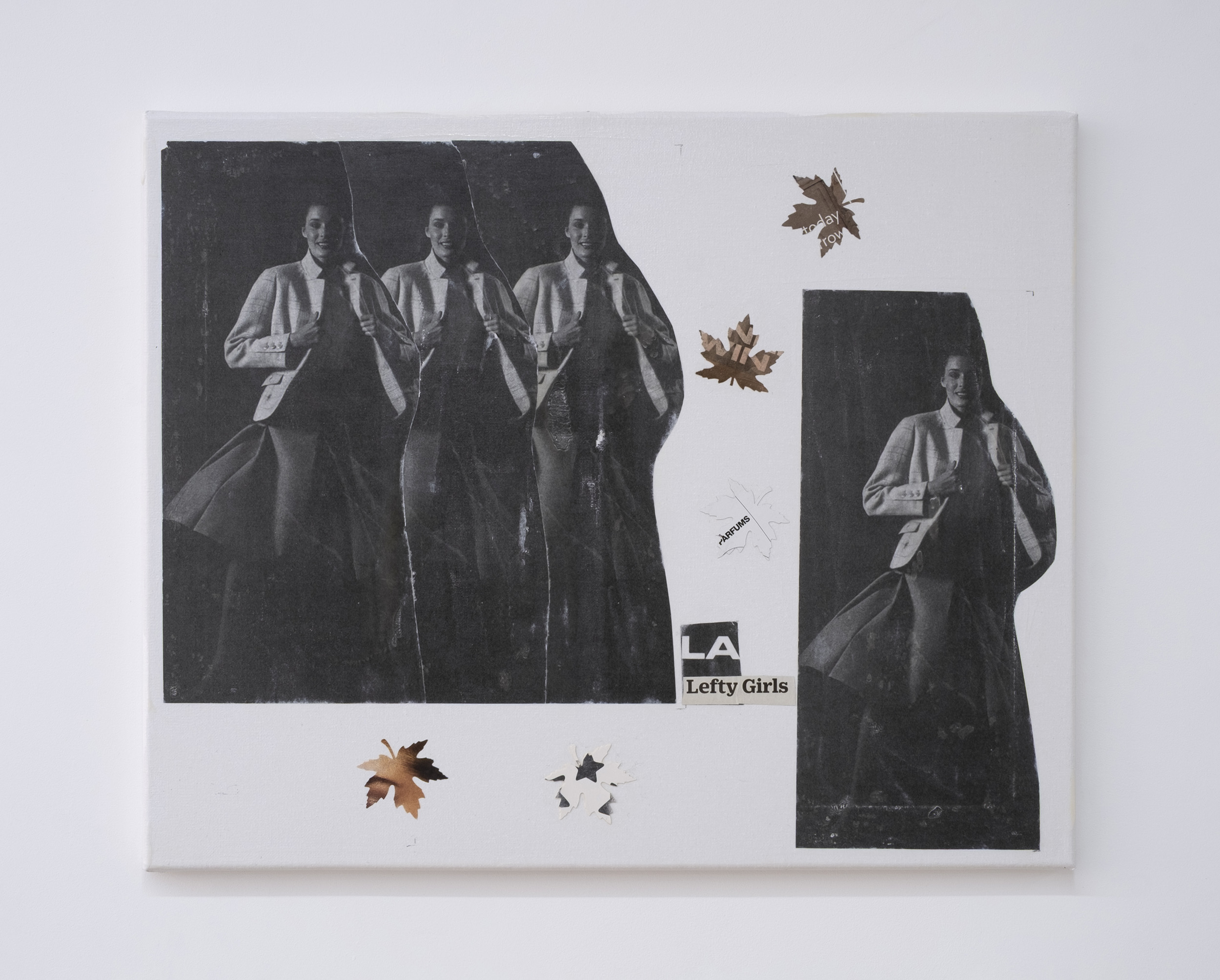 JiaJia Zhang, How To Spend It (Attention, Collapse, Affection, Control, Absence, Circulation, Anxiety, Consumption, Afterglow), 2025
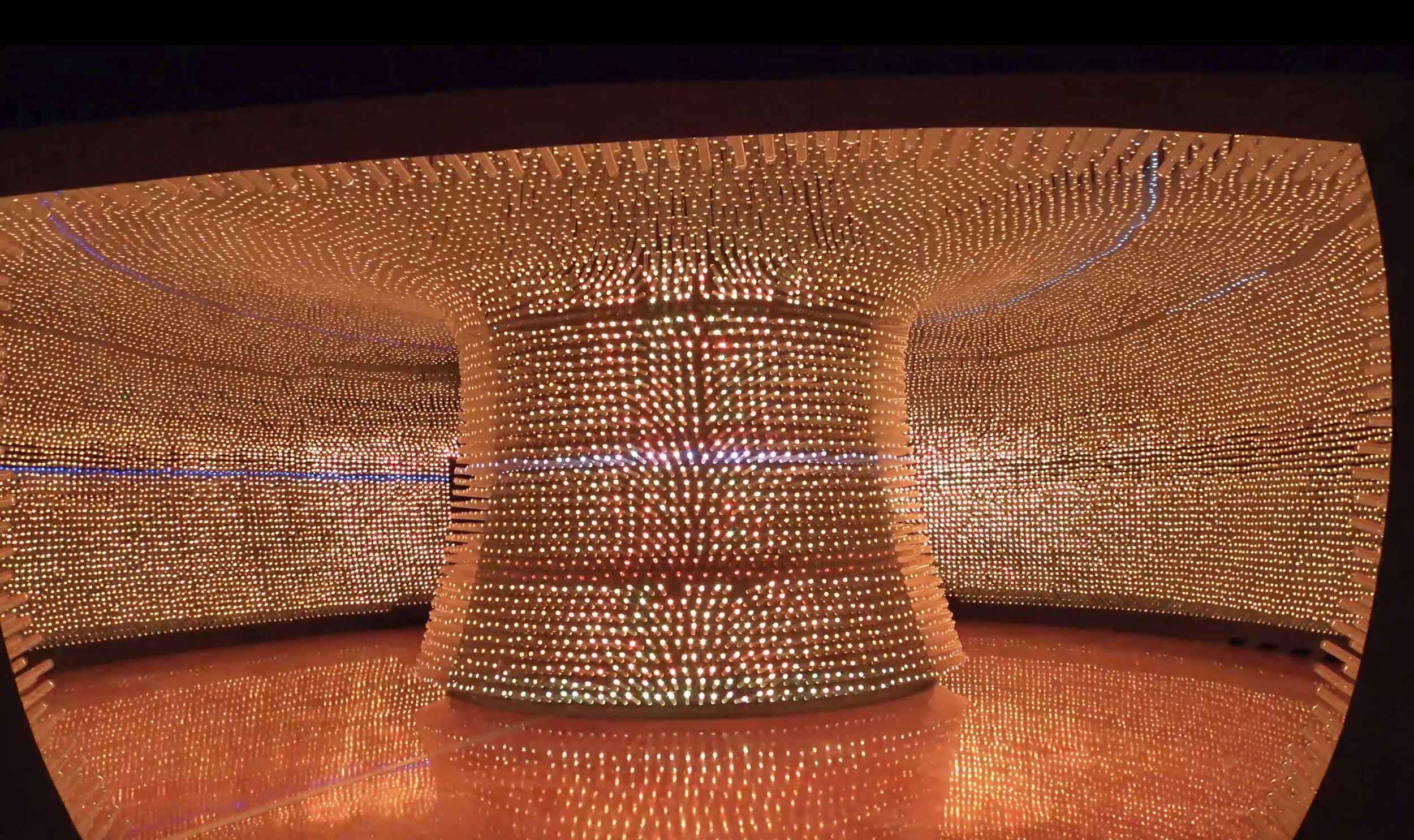 JiaJia Zhang, Beautiful Mistakes (after LB), 2022
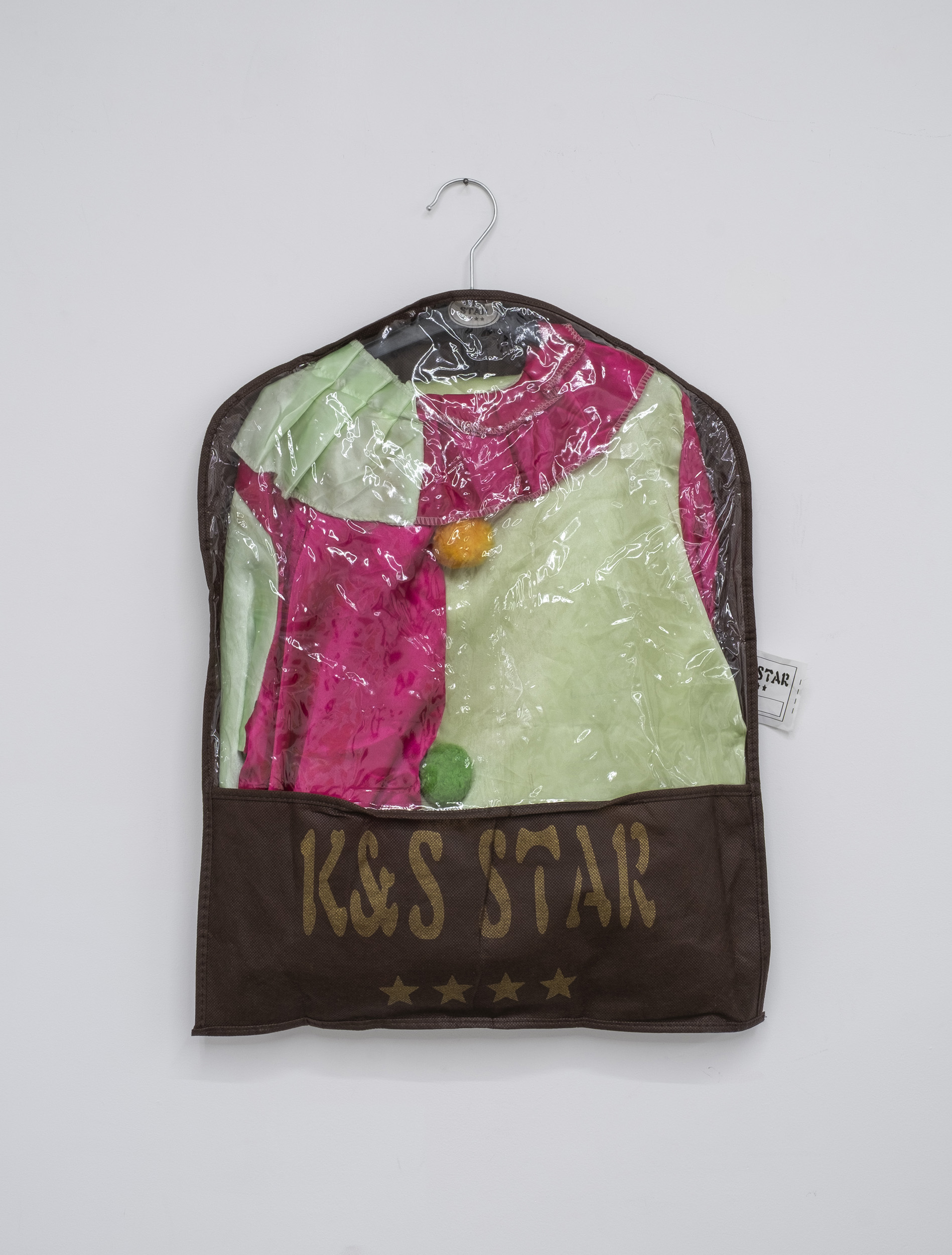 JiaJia Zhang, Have we peaked yet?, 2025